
Water sub-metering in apartments in Kenya: costs, equipment and set-up
Splitting one water bill across many units causes more tenant fights than almost anything else. How water sub-metering works in Kenyan apartments, the equipment options, what to budget for and fair billing rules.
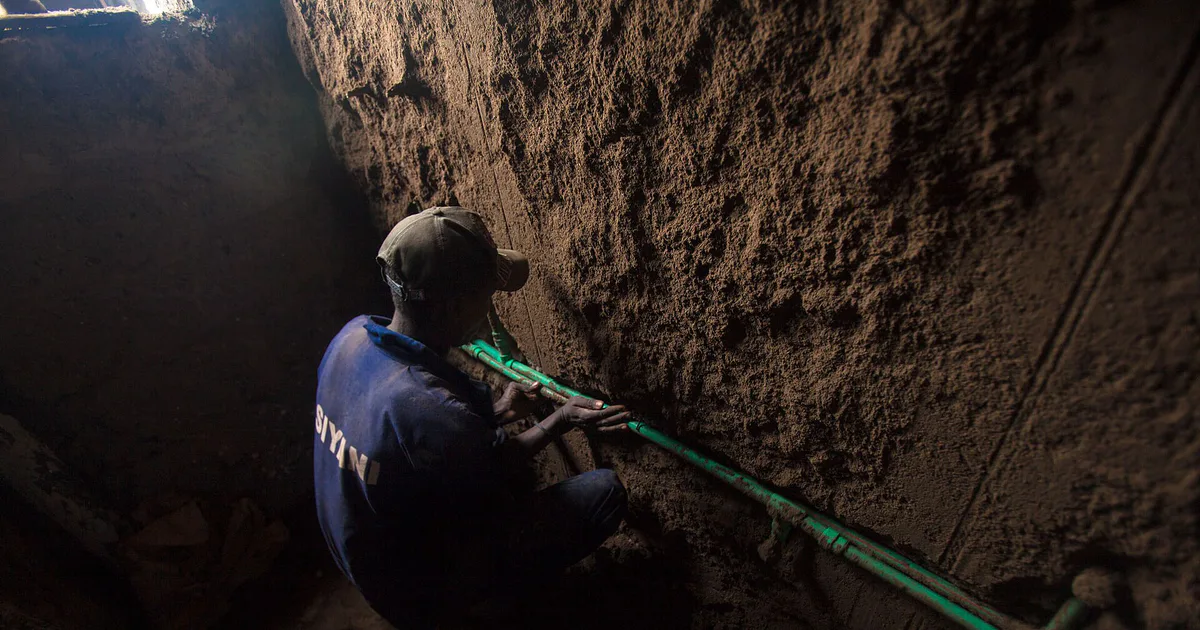
"Why is my water bill the same as the neighbour who washes cars every day?" If you split one water bill equally across your units, you have heard this. Water sub-metering in apartments fixes it: each unit has its own meter, and each tenant pays for what they use. This guide covers how a water submeter set-up works in Kenya, the equipment, what to budget for and the billing rules that keep it fair.
How sub-metering works
Your building has one main meter from the water company. The water company bills you, the landlord, for everything that passes through it.
With sub-metering:
- Each unit gets its own meter on the pipe that feeds it.
- You read every meter each month.
- Each tenant is billed for their own use.
- Anything left over, such as water for cleaning the compound or leaks, is common use.
Water submeter options in Kenya
There are three broad types.
| Type | How it works | Good for | Watch out for |
|---|---|---|---|
| Mechanical meter | Dial you read by eye | Small blocks, tight budgets | Monthly manual readings, reading errors |
| Prepaid meter | Tenant buys water credit with a token or card | Buildings with arrears problems | Higher cost, needs a vending system |
| Smart or remote-read meter | Sends readings over a network | Larger blocks, agencies | Higher cost, may carry a monthly fee |
Mechanical meters
The simplest choice. A caretaker reads each dial monthly. They are cheap and easy to replace, but someone has to read them correctly, every month.
Prepaid water meters
These work like KPLC tokens. The tenant buys credit, enters it or taps a card, and water flows until the credit runs out. Water arrears largely disappear. They cost more, they need a valve and electronics at each unit, and you depend on the supplier's vending system.
Smart meters
These send readings to an app or web dashboard, so nobody climbs ladders with a notebook. They also flag leaks early. They are the most expensive, and many suppliers charge a monthly fee per meter.
What to budget for
Prices change and vary a lot between suppliers, so get written quotes. Make sure each quote covers:
- Meters, one per unit, plus any spares
- Fittings, such as valves, unions and non-return valves
- Plumbing changes if units share pipes and need separating
- Labour for installation and testing
- Meter boxes or cages to protect meters from damage and tampering
- System or vending fees for prepaid or smart meters, monthly or per transaction
- Maintenance, such as replacing failed meters later
The hidden cost is usually plumbing. In older buildings, pipes often run from one riser to several units. Each unit must be on its own line for a meter to measure only its use. Ask the plumber to check this before you buy anything.
Setting up, step by step
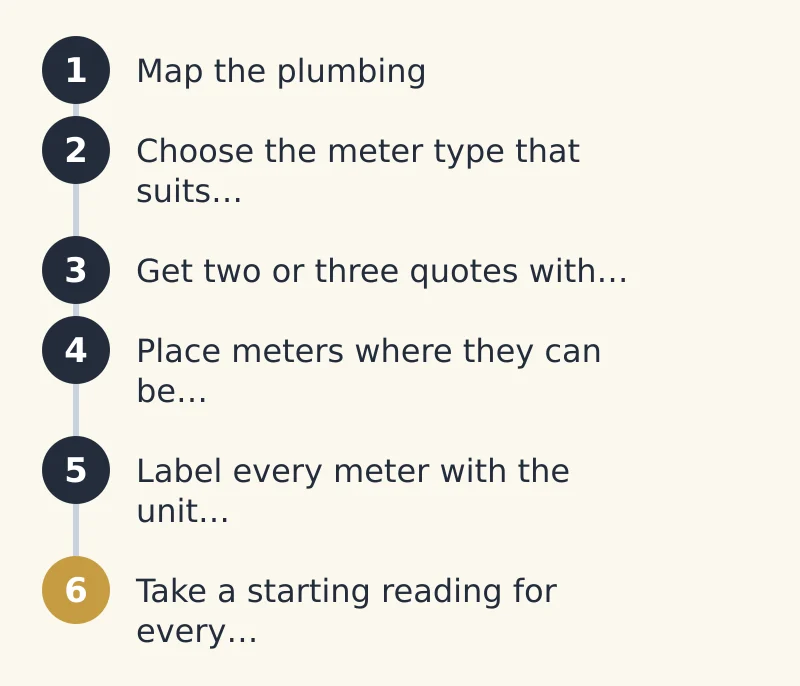
- Map the plumbing. Find where each unit's supply branches off. Confirm one pipe, one unit.
- Choose the meter type that suits your building size and arrears history.
- Get two or three quotes with the items above.
- Place meters where they can be read without entering the unit, such as a corridor or meter room, ideally in a locked box.
- Label every meter with the unit number, and record each meter's serial number.
- Take a starting reading for every unit on the day they go live, with photos.
- Tell tenants in writing how billing will work, from which date, and at what rate.
- Update your leases for new tenants to include water billing terms.
Fair billing rules
Sub-meters only stop arguments if the billing is fair and clear.
Charge at cost
Base your rate on what the water company charges you. A simple way:
- Take the water company bill for the month.
- Divide by the total units of water on the main meter.
- That gives your cost per unit of water.
If the water company bill includes sewerage or other charges, decide whether to include them in the rate and say so on the bill.
Handle common use openly
The main meter will always read more than the sub-meters added together. The gap is common use and losses. Options:
- Absorb it as part of running the building, or
- Share it equally or by unit size, and show it as a separate line on each bill.
Whichever you pick, put it in the lease. Never quietly add it into the per-unit rate.
Show your workings
A clear tenant water bill shows:
- previous reading and current reading
- units used
- rate per unit
- any common use share
- total due
Here is an example layout. The figures are for illustration only.
| Item | Example |
|---|---|
| Previous reading | 1,240 |
| Current reading | 1,248 |
| Units used | 8 |
| Rate per unit | Your cost per unit |
| Common use share | Your agreed share |
| Total due | Units x rate + share |
Read on the same day each month
Read every meter on the same date, photograph each reading, and keep the photos. If a tenant questions a bill, you can send the photo.
Watch for leaks and tampering
- A unit using far more than usual may have a leaking toilet. Tell the tenant quickly.
- A unit reading zero while occupied may mean a stuck or bypassed meter.
- A big gap between the main meter and the sub-meters often means a leak in the common pipes.
Bringing tenants along
Tenants generally welcome sub-meters if you explain them well. Send a short notice: "From 1 December, each unit will be billed for its own water use. Your meter number is 12. Readings will be on your monthly bill." Then keep the first few bills simple and correct. Trust builds fast when the numbers add up.
See ISHI in action
ISHI is property management software for Kenyan landlords and agencies. It handles M-Pesa rent collection, invoices and reminders, tenant and owner portals, maintenance and reports, so water and rent charges sit on clear invoices tenants can check.
Book a free demo at www.ishi.digital/contact, call 0116888777 or email hello@ishi.digital.
Questions people ask
What is a water sub-meter?
A water sub-meter is a meter fitted to each unit after the main water company meter. It measures how much water each unit uses, so each tenant pays for their own use instead of an equal share.
How much does it cost to install water sub-meters in Kenya?
Costs depend on the meter type, the number of units and how much plumbing has to change. Get at least two written quotes that list the meter price, fittings, labour and any monthly system fee.
Can a landlord charge tenants more for water than the water company charges?
Tenants expect to pay no more than the actual cost of the water they use. Charging well above the water company's rate causes disputes and may break local rules, so bill at cost and show how you worked it out.
Are prepaid water meters better than ordinary sub-meters?
Prepaid meters stop arrears because tenants pay before use, but they cost more and need a token or card system. Ordinary meters are cheaper but need monthly readings and billing.
How often should water sub-meters be read?
Once a month, on the same date, with a photo of each reading. Share the readings with tenants on their bill so they can check.
Keep reading
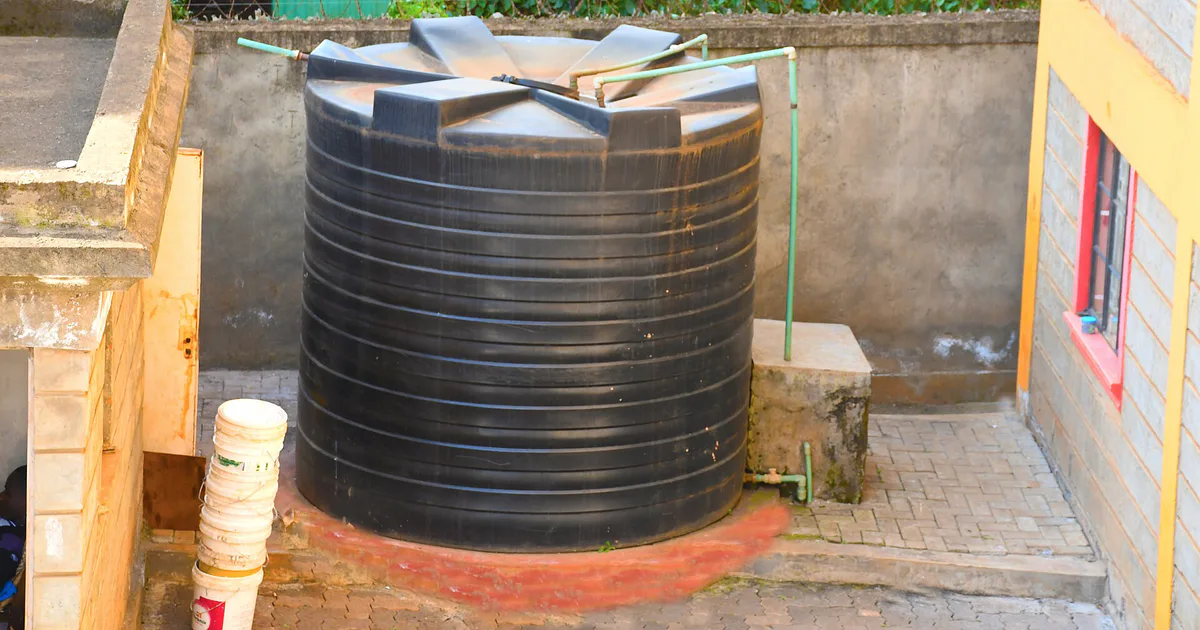
A preventive maintenance calendar for apartment blocks
Most big repair bills start as small jobs nobody did. A month-by-month preventive maintenance calendar for Kenyan apartment blocks, built around the rains, the dry seasons and the checks that keep tenants happy.
23 November 2026 · 5 min read
Caretaker duties in Kenya: a job description, fair pay and controls that work
A good caretaker keeps your building running; a poorly managed one can cost you rent. A clear job description, how to think about pay, and simple controls for Kenyan landlords and agencies.
14 November 2026 · 5 min read
Rainy season checklist for landlords: roofs, gutters, drainage and damp
A practical rainy season checklist for Kenyan landlords. What to inspect on the roof, gutters, drains and walls before and during the rains, and how to handle tenant reports fast.
3 November 2026 · 5 min read