
A preventive maintenance calendar for apartment blocks
Most big repair bills start as small jobs nobody did. A month-by-month preventive maintenance calendar for Kenyan apartment blocks, built around the rains, the dry seasons and the checks that keep tenants happy.
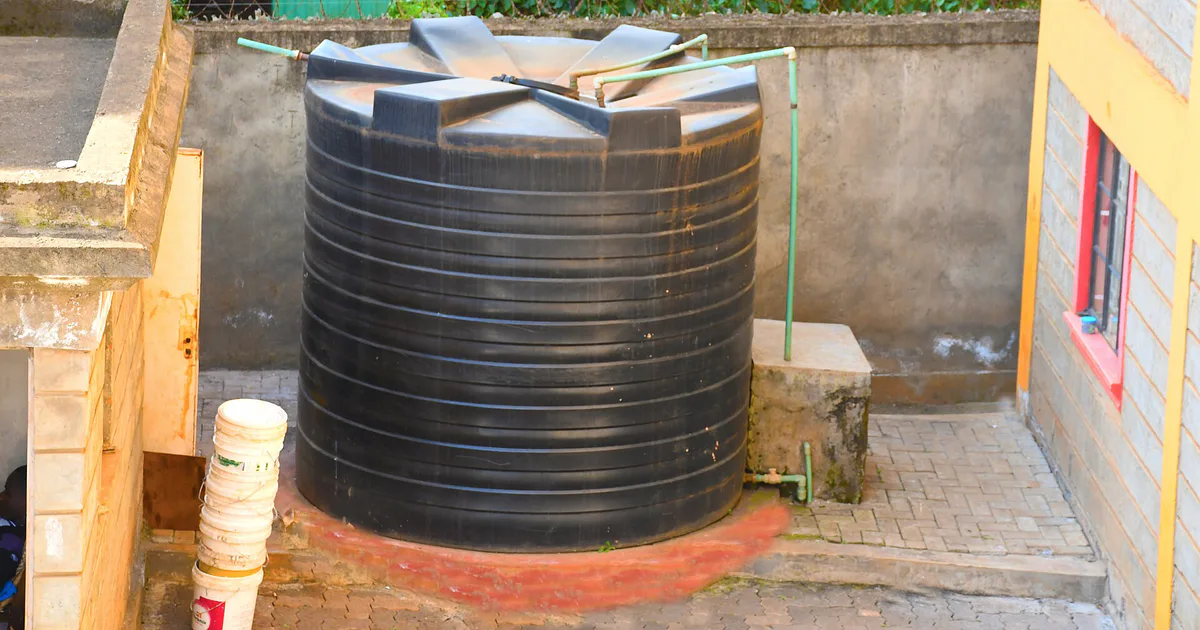
A blocked gutter in February becomes a soaked ceiling in April. A pump that whines in June dies in July, and forty tenants have no water. Preventive maintenance for apartments is about doing small jobs on a schedule, so the expensive ones never happen. This calendar is built around Kenya's seasons: two rainy seasons and two drier ones.
Why plan maintenance at all
Reactive repairs, fixing things only when they break, cost more in three ways:

- Bigger bills. Water damage, burnt pumps and rusted tanks cost far more than the check that would have caught them.
- Lost rent. A unit with a leaking roof may sit empty while it is fixed.
- Lost tenants. People leave buildings where things are always broken. Every move-out means an empty month and a repaint.
A calendar also helps caretakers. They know what to do each month, and you know what to check they did.
Things to do every month
These short checks belong on every caretaker's monthly list:
- Walk the common areas: stairs, corridors, lights, railings
- Check the water pump for unusual noise, leaks or overheating
- Look at tank levels and the float valve
- Test the gate, intercom and any security lights
- Check fire extinguishers are in place, sealed and not damaged
- Look for blocked drains and leaking pipes in the compound
- Read and record the common area meters
- Note tenant repair requests and follow up on any still open
Preventive maintenance for apartments: the month-by-month calendar
Seasons vary by region and year, so adjust to your area.

January
- Plan the year: list big jobs and set a budget
- Book painting or plastering for the dry weeks ahead
- Service the water pump and check its pressure switch
February
- Before the long rains: clean all gutters, downpipes and roof drains
- Check the roof for loose or rusted sheets, broken tiles and gaps around tanks
- Clear the compound drains and soak pits
- Finish exterior painting while it is dry
March
- Watch for leaks in the first heavy rains, and fix them fast
- Check that storm water flows away from foundations and parking
- Inspect ground floor units for damp
April
- Peak of the long rains in many areas: inspect ceilings on top floors
- Clear leaves and debris from gutters again after storms
- Check electrical boxes and outdoor sockets for water
May
- Check walls and ceilings for damp patches after the rains
- Treat any mould in stairwells and units
- Repair any damaged paint and plaster before it spreads
June
- Clean water storage tanks after the rains
- Service the borehole pump, if you have one
- Have a qualified electrician check the main distribution board
July
- Mid-year review: what broke, what it cost, what to change
- Test backup power, if any
- Check door locks, hinges and window catches in common areas
August
- Good time for internal painting of common areas
- Fix cracked paving and steps
- Check balcony railings and stair handrails are firm
September
- Before the short rains: clean gutters and drains again
- Check the roof and tank stands once more
- Trim trees that hang over the roof or power lines (use a professional near power lines)
October
- Watch for leaks as the short rains start
- Check that compound lighting works, as evenings get wetter and darker under cloud
November
- Inspect top floor ceilings and ground floor walls for damp
- Clear gutters after heavy storms
December
- Clean water storage tanks again
- Service fire extinguishers through an approved company, if due
- Prepare for move-outs and move-ins around the new year: check vacant units are ready
Yearly jobs to book
Some jobs need a specialist once a year or as the law or maker requires:
- Fire extinguisher servicing and any county fire inspection
- Lift servicing and inspection, if the building has a lift
- Full electrical inspection by a qualified electrician
- Pest control in common areas and bin areas
- Septic tank or soak pit emptying, if not on sewer
Check the current rules for your building with the county and the maker of each system.
Keep a simple record
For every job, write down:
- Date
- What was done
- Who did it
- Cost
- When it is next due
Over a year, this shows you which systems cost the most and which caretakers and fundis do good work. It also helps when you sell, refinance or hand the building to an agency.
Budget for it
Set aside a small part of each month's rent for maintenance, rather than waiting for the big bill. A building with a maintenance fund gets fixed quickly. One without gets fixed late, if at all.
See ISHI in action
A calendar only works if jobs are tracked. ISHI is property management software for Kenyan landlords and agencies, with maintenance requests, M-Pesa rent collection, invoices and reminders, tenant and owner portals and reports, so you can see what was reported, what was fixed and what it cost.
Book a free demo at www.ishi.digital/contact, call 0116888777 or email hello@ishi.digital.
Questions people ask
What is preventive maintenance for apartments?
It is planned, regular checking and servicing of a building so small faults are fixed before they become costly breakdowns. It covers roofs, water systems, wiring, pumps, fire equipment and common areas.
When should I clean the gutters on a rental building in Kenya?
Clean gutters and drains before each rainy season, so roughly February before the long rains and September before the short rains. Check again after heavy storms.
How often should water tanks be cleaned?
Many landlords clean storage tanks at least twice a year, and more often if the water is from a borehole or tanker. Ask a qualified cleaner and follow any county health guidance.
How often should fire extinguishers be serviced?
Fire extinguishers are usually serviced at least once a year by an approved company, with a quick monthly visual check. Confirm the current requirements with your county fire department.
Is preventive maintenance worth the cost?
Yes. Fixing a blocked gutter costs far less than repairing ceilings and walls after water damage, and well-kept buildings keep tenants longer and fill faster.
Keep reading
Caretaker duties in Kenya: a job description, fair pay and controls that work
A good caretaker keeps your building running; a poorly managed one can cost you rent. A clear job description, how to think about pay, and simple controls for Kenyan landlords and agencies.
14 November 2026 · 5 min read
Water sub-metering in apartments in Kenya: costs, equipment and set-up
Splitting one water bill across many units causes more tenant fights than almost anything else. How water sub-metering works in Kenyan apartments, the equipment options, what to budget for and fair billing rules.
7 November 2026 · 6 min read
Rainy season checklist for landlords: roofs, gutters, drainage and damp
A practical rainy season checklist for Kenyan landlords. What to inspect on the roof, gutters, drains and walls before and during the rains, and how to handle tenant reports fast.
3 November 2026 · 5 min read