
Caretaker duties in Kenya: a job description, fair pay and controls that work
A good caretaker keeps your building running; a poorly managed one can cost you rent. A clear job description, how to think about pay, and simple controls for Kenyan landlords and agencies.

In many Kenyan blocks, the caretaker is the only person from the landlord's side that tenants ever see. They open the gate, chase the water bowser, show empty units and hear every complaint. A good one keeps tenants happy and rent flowing. A badly managed one can quietly cost you months of income.
This guide sets out caretaker duties in Kenya in a clear job description, how to think about pay, and the controls that keep everyone honest.
Caretaker duties: a simple job description
Write the duties down. A caretaker who knows exactly what is expected does better work, and you have something to measure against.

Building and compound
- Open and close the gate at agreed times, and keep the compound clean
- Check common areas daily: stairs, lights, drains, water tanks and pumps
- Report damage and faults to the landlord or agent the same day
- Supervise fundis and cleaners, and confirm work is finished
Tenants
- Receive complaints and log them with the date
- Pass maintenance requests on promptly and follow up
- Remind tenants of house rules, politely and consistently
- Help with move-ins and move-outs, including meter readings and condition checks
Utilities
- Read water sub-meters on the agreed date and take photos
- Manage water rationing schedules, storage tanks and pumps
- Report power faults in common areas
Vacancies
- Show vacant units to prospective tenants at agreed times
- Pass enquiries and applications to the landlord or agent, rather than agreeing terms personally
- Keep empty units clean and locked
Security
- Work with guards on visitor and delivery routines
- Report incidents in writing
What a caretaker should not do
Clear limits matter as much as duties. Unless you have agreed otherwise in writing, a caretaker should not:

- Collect rent in cash. This is the biggest source of loss. Tenants should pay to your paybill or account.
- Sign or change tenancy agreements, or agree rent discounts.
- Waive penalties or deposits.
- Spend money on repairs above a small, agreed limit without approval.
- Let a unit informally to a friend or relative.
Fair pay and terms
A caretaker is an employee, so employment law applies. At the least:
- Pay at least the minimum wage for the role and area. Wage orders change, so check the current one before setting pay.
- Give a written contract covering duties, hours, pay, leave, housing if provided, and notice.
- Register and remit statutory deductions, such as NSSF, SHIF and the housing levy. Confirm the current list with your accountant.
- Pay on time, by M-Pesa or bank, so there is a record.
Beyond the minimum, think about what fair pay means for your building. A caretaker for a block of forty units, on call at night, does a very different job from one who looks after six bedsitters. Many landlords add a small bonus linked to full occupancy or to zero rent arrears, which rewards the outcomes you care about.
If the caretaker lives on site, write down what the housing is worth and whether it forms part of their pay. It avoids confusion if they leave.
Controls that keep everyone accountable
Most caretakers are honest. Good controls protect them as well as you, because nobody can accuse them of something the records disprove.
1. Take cash out of the picture
All rent, deposits and water bills go to your paybill, till or bank account. Tell every tenant this in writing at move-in, and remind them often: "Never pay rent in cash or to anyone's personal number."
2. Check vacancies yourself
One common loss is a unit reported as empty that is actually let, with the rent going elsewhere. Visit regularly, or have someone else do it. Compare your list of paying tenants with the doors that have lights on.
3. Use a simple weekly report
Ask for a short weekly message covering:
- complaints received and their status
- repairs done, with photos and receipts
- vacancies and viewings
- any incidents
Same format every week. It takes ten minutes and gives you a clear history.
4. Set a spending limit
Agree a small amount the caretaker can spend on urgent repairs without asking. Above it, they need approval. Every spend needs a receipt or an M-Pesa message.
5. Talk to tenants directly
Give tenants a way to reach you or the agency, not only the caretaker. Ask a few tenants every month how things are going. Problems surface quickly when tenants have a second channel.
6. Rotate meter readings now and then
Do a meter reading yourself occasionally and compare it with the caretaker's. It keeps readings accurate and shows you are paying attention.
Signs something is wrong
- Units that stay vacant much longer than similar ones nearby
- Tenants who say they paid, but are not on your records
- Repair costs that rise with no receipts
- Tenants complaining that problems are never passed on
- Reluctance to let you visit
If you see these, check the records calmly before acting. Often there is an innocent explanation. If not, the records give you a clear basis for a fair conversation, or a fair dismissal.
See ISHI in action
ISHI is property management software for Kenyan landlords and agencies. Rent comes in through M-Pesa, ISHI sends invoices and reminders, tenants and owners have their own portals, and maintenance and reports sit in one place, so you can see what is happening without relying on one person.
Book a free demo at www.ishi.digital/contact, call 0116888777 or email hello@ishi.digital.
Questions people ask
What are the main duties of a caretaker in Kenya?
Looking after the building and compound, handling tenant complaints and small repairs, managing water and security routines, showing vacant units, and reporting to the landlord or agent.
Should a caretaker collect rent in cash?
It is safer not to. Have tenants pay by M-Pesa to the landlord's or agency's paybill or account so every payment is recorded.
How much should I pay a caretaker?
Pay at least the legal minimum wage for the role and area, and add for the size of the building and duties. Check the current minimum wage order before setting pay.
Does a caretaker need a written contract?
Yes. A written contract sets out duties, hours, pay, leave and notice, protects both sides and is expected under employment law.
How do I know if my caretaker is stealing?
Watch for unexplained vacancies, tenants who say they paid but are not on your records, and repair costs without receipts. Regular reports and tenant checks catch most problems early.
Keep reading
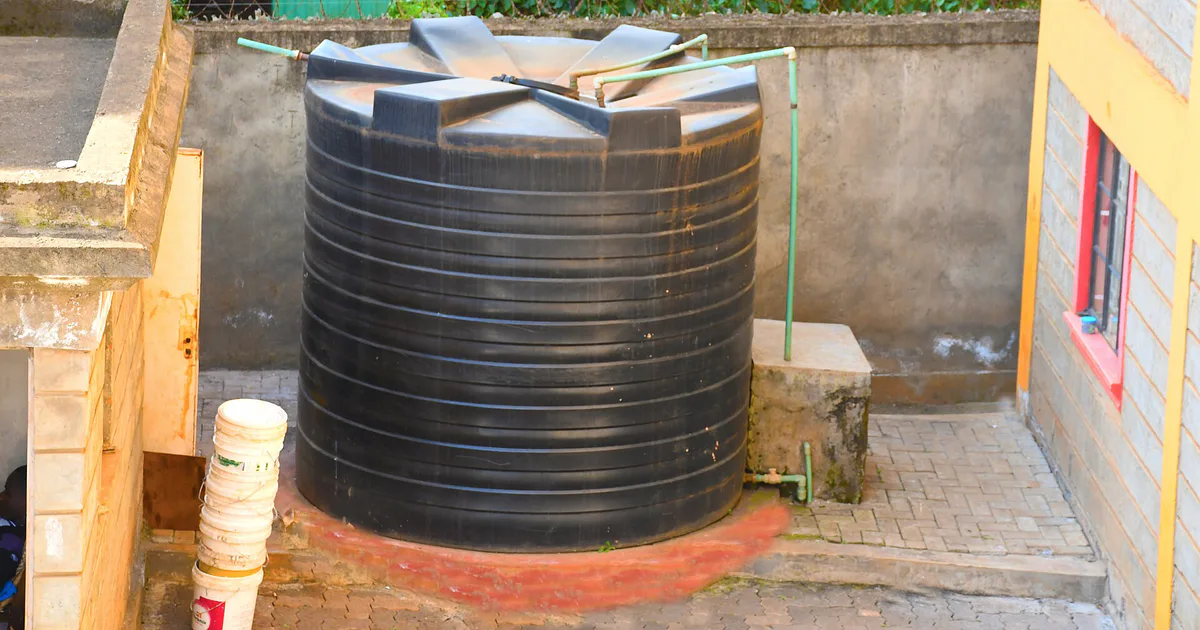
A preventive maintenance calendar for apartment blocks
Most big repair bills start as small jobs nobody did. A month-by-month preventive maintenance calendar for Kenyan apartment blocks, built around the rains, the dry seasons and the checks that keep tenants happy.
23 November 2026 · 5 min read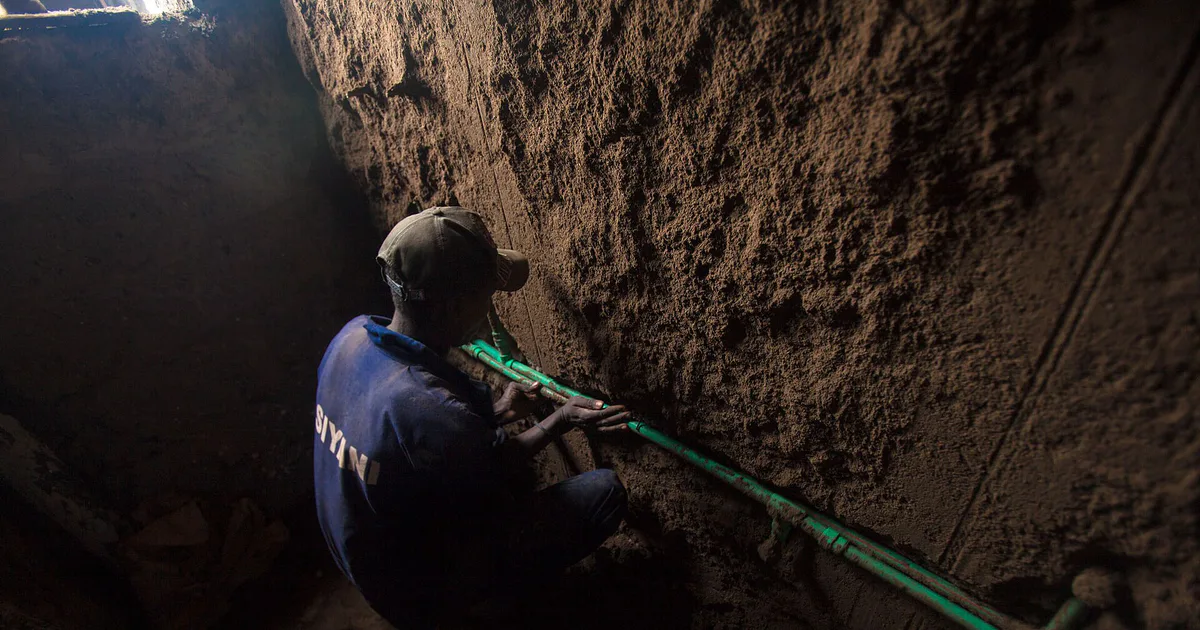
Water sub-metering in apartments in Kenya: costs, equipment and set-up
Splitting one water bill across many units causes more tenant fights than almost anything else. How water sub-metering works in Kenyan apartments, the equipment options, what to budget for and fair billing rules.
7 November 2026 · 6 min read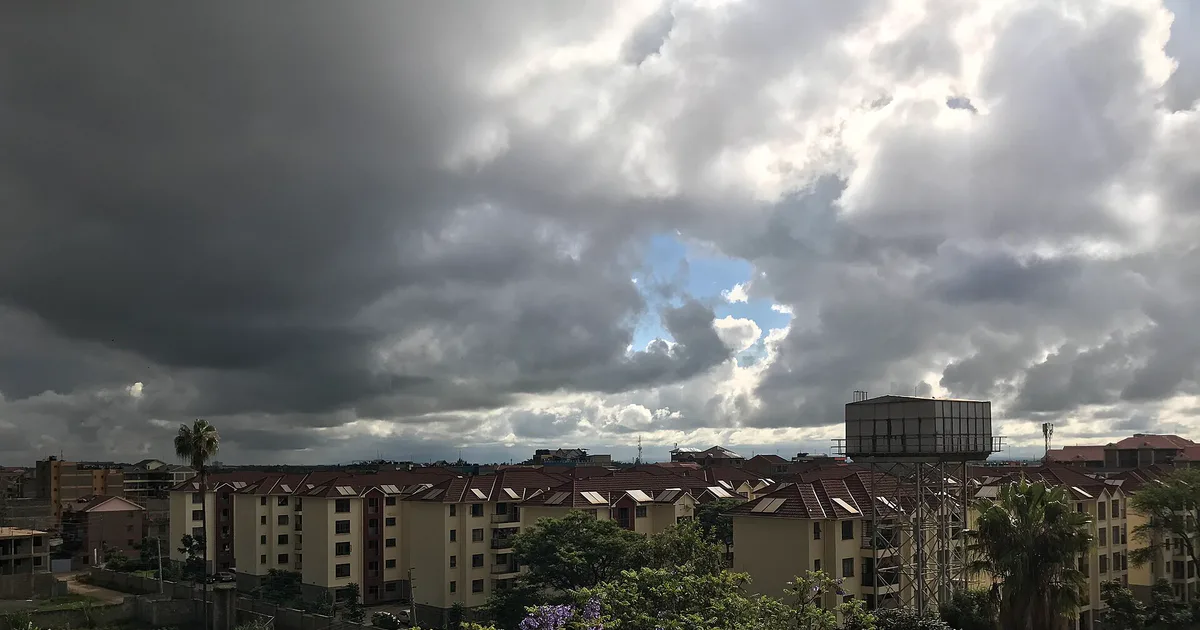
Rainy season checklist for landlords: roofs, gutters, drainage and damp
A practical rainy season checklist for Kenyan landlords. What to inspect on the roof, gutters, drains and walls before and during the rains, and how to handle tenant reports fast.
3 November 2026 · 5 min read