
How to price rent with area data, not guesswork
Price too high and your unit sits empty. Price too low and you lose money every month for years. A step-by-step method for Kenyan landlords to set rent using area data and comparable listings.
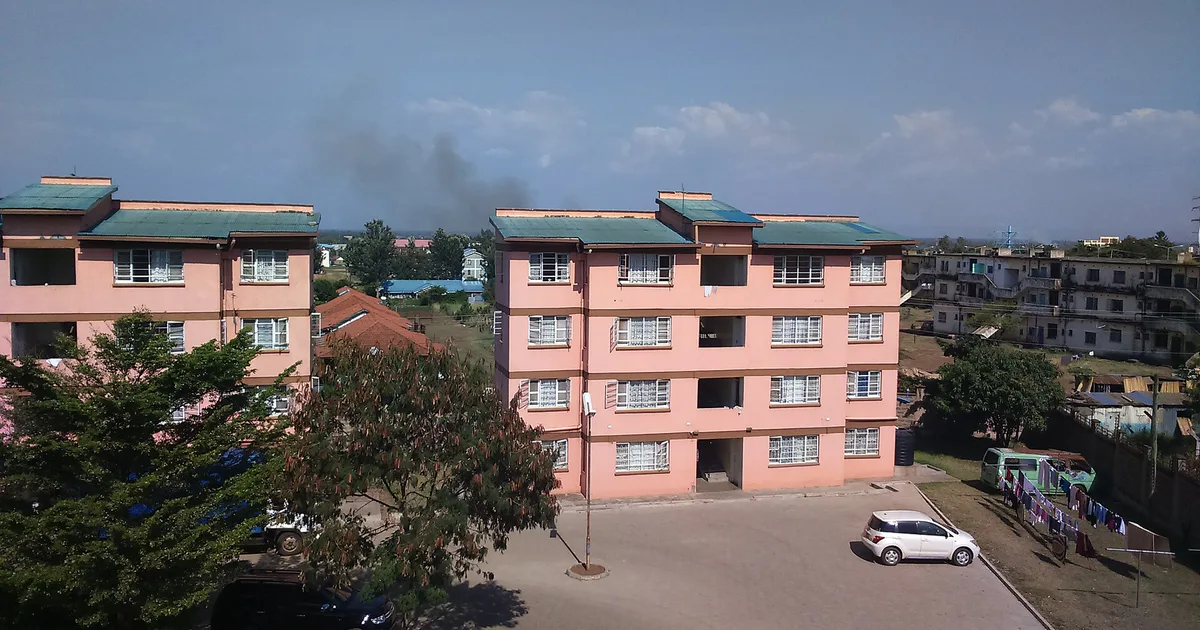
Most landlords set rent the same way: they ask the neighbour, add a bit, and hope. Sometimes it works. Often the unit sits empty for weeks, or a tenant moves in at a price far below what the market would pay. If you have wondered how to price rent properly, the answer is to let real area data do the work.
Why the price matters so much
Rent is not a one-month decision. A sitting tenant may pay the same rent for years. Get it wrong and the cost adds up. For example, on a unit worth KES 15,000 a month:

- Too high: every empty month is KES 15,000 you never get back. Two empty months cost KES 30,000, a whole year of charging KES 2,500 extra.
- Too low: KES 1,500 under market on one unit is KES 18,000 lost each year, on every unit priced the same way.
The goal is a price that lets fast and still earns what the unit is worth.
How to price rent in five steps
Step 1: Define your unit clearly
Write down exactly what you are letting:

- Type: bedsitter, one bedroom, two bedroom, house
- Area and the nearest stage or main road
- Floor, size and condition
- What is included: water, parking, security, Wi-Fi, borehole, backup power
- Separate KPLC token meter or shared
You can only compare like with like once you know what "like" is.
Step 2: Collect comparable listings
A comparable listing, or comp, is a unit similar to yours, in the same area, that is on the market now or let recently. Aim for at least five. Sources:
- Listings on ISHI Homes for your area
- "To Let" signs on blocks within walking distance
- Caretakers and agents working the area
- Your own recent lettings
For each comp, note the rent, the deposit asked and the main features.
Step 3: Start from the median
The median is the middle rent when you list them from lowest to highest. It is a better guide than the average, because one very expensive unit does not pull it up.
Here are ISHI Homes medians for some areas, as of 26 Oct 2026. Many rest on only one to three listings, so add your own comps before relying on them.
| Area | Bedsitter (KES) | 1 bedroom (KES) | 2 bedroom apartment (KES) |
|---|---|---|---|
| Toll (Ruiru) | 7,750 | 12,500 | 21,250 |
| Kahawa Wendani | 8,500 | 13,250 | No listings |
| Kahawa Sukari | 10,000 | 15,750 | 25,000 |
| Roysambu | 12,000 | 18,250 | 30,000 |
| Kilimani | No listings | No listings | 71,500 |
Across all areas on ISHI Homes, the median was KES 8,500 for a bedsitter, KES 15,750 for a one bedroom and KES 28,000 for a two bedroom apartment.
Notice how much the area changes the price. A one bedroom in Roysambu lists for about KES 5,750 more than one in Toll. Use your own area's figures, not a national average.
Step 4: Adjust for your unit
Now move up or down from the median based on how your unit compares with the comps.
| Push the price up | Push the price down |
|---|---|
| Reliable water, borehole or big tank | Water rationing or shared tank |
| Newly built or freshly painted | Old fittings, worn floors |
| Secure parking | No parking |
| Close to the stage or main road | Long walk, unlit path |
| Separate token meter | Shared meter |
| Good natural light, upper floor | Dark, ground floor facing a wall |
Be honest. Tenants will compare your unit with the same listings you did.
Step 5: Test the price
Advertise at your chosen rent and watch the response for one to two weeks:
- Many calls and viewings, quick offers: you may be a little low. Hold for the next unit, or nudge up on the next letting.
- Some viewings, a few serious enquiries: you are about right.
- Few calls, viewings but no offers: you are likely too high, or the photos and description are weak. Fix those first, then lower the price if needed.
Decide in advance how long you will wait before adjusting. Two weeks is a good test window for most areas.
Do not forget the move-in cost
Tenants look at the total they must pay to get the keys, not just the rent. On ISHI Homes, as of 26 Oct 2026, the typical rent plus deposit was KES 31,500 for a one bedroom across all areas, and KES 214,500 for a two bedroom apartment in Kilimani. If your deposit is much higher than your comps, it can scare off good tenants even when the rent is fair.
Review once a year
Rents move. Each year, and before every new tenancy, repeat steps 2 and 3. For sitting tenants, follow your lease and give proper written notice before any rise. A small, well-explained increase keeps good tenants. A sudden big one sends them looking.
Common pricing mistakes
- Copying one neighbour's rent without checking what they include
- Pricing for the loan repayment, not for the market
- Ignoring how long a unit has been empty
- Raising rent on a good tenant far above what new comps show
- Using one listing as "the market"
See ISHI in action
Pricing well is only the start. ISHI is property management software for Kenyan landlords and agencies, with M-Pesa rent collection, invoices and reminders, tenant and owner portals, maintenance and reports. ISHI Homes, our house-hunting site with verified listings and full move-in costs, is where the area figures above come from.
Book a free demo at www.ishi.digital/contact, call 0116888777 or email hello@ishi.digital.
Questions people ask
How do I know how much rent to charge?
Find at least five similar units in the same area, note their rents, and start from the middle figure. Then adjust up or down for your unit's features and condition.
What is a comparable listing?
A comparable, or comp, is a unit like yours - same type, same area, similar size and condition - that is listed or recently let. Comps tell you what tenants actually pay.
Is it better to price rent high or low?
Slightly below the market usually beats slightly above it. A unit that lets in two weeks earns more over a year than one that sits empty for two months at a higher price.
How often should I review my rent?
Check area rents at least once a year and before each new tenancy. Follow your lease and give proper written notice before any increase for a sitting tenant.
What is the median rent?
The median is the middle figure when all rents are listed from lowest to highest. It is less affected by one very expensive or very cheap unit than the average.
Keep reading

Rental vacancy season in Kenya: when vacancies spike, and how to prepare
Vacancies in Kenyan rentals tend to bunch around the same times each year. The common seasonal patterns, why they happen, and a checklist to fill units faster when they come.
17 November 2026 · 5 min read
How to write a rental listing description that gets enquiries
Most rental listings say too little. A step-by-step way for Kenyan landlords and agents to write a listing description that answers tenants' questions, with before-and-after examples.
13 November 2026 · 5 min read
Rental listing photos that get viewings, taken with a phone
Good rental listing photos fill units faster, and a phone is all you need. A room-by-room shot list, simple lighting tips and the mistakes that make house hunters scroll past.
5 November 2026 · 5 min read